
What is Biodesel?
BiOdiesel
Non-polluting and biodegradable liquid fuel
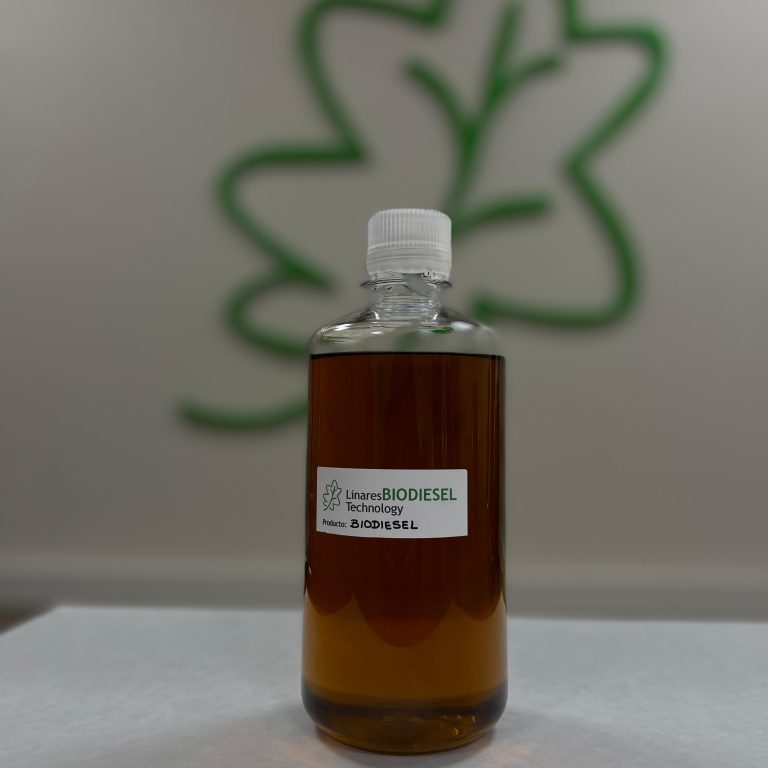
Biodiesel, obtained from renewable raw materials, is a non-polluting and biodegradable liquid fuel, which is mainly used in the transport sector, either directly or blended with diesel. It is now produced and used almost everywhere in the world and has been gaining popularity as a renewable energy source due to its many advantages. It typically runs in unmodified diesel engines (pure or blended with diesel), thus achieving substantial reductions in emissions. As it is less flammable than diesel, it is safer to handle and store.
BiO diesel
How is Biodiesel obtained?
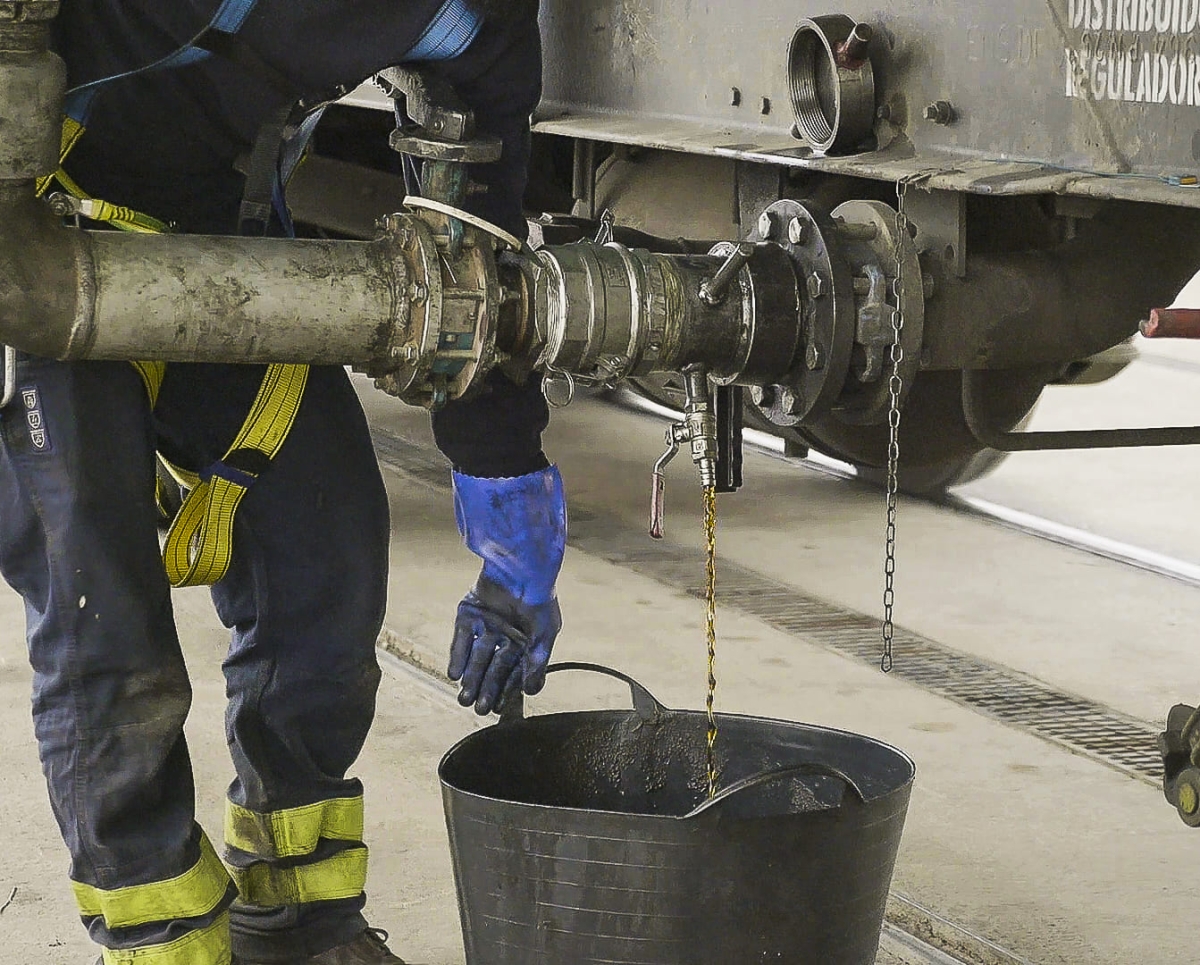
In general terms, it can be considered that most commercial processes for obtaining biodiesel on an industrial scale are based on transesterification, a reaction through which the glycerol in the triglyceride structure (the main species in vegetable oils and animal fats) is displaced by the incorporation of a short-chain alcohol (generally methanol). The result is the formation of three molecules of esters (methyl), and one molecule of glycerol.
Transesterification is an equilibrium reaction and, consequently, both reactants and products will be present at the end of the reaction, at which point two partially miscible phases are obtained: a denser phase rich in glycerol (or glycerol); and a less dense phase rich in alkyl esters (or biodiesel). The glycerol is separated by decantation or centrifugation (depending on the technology) and purified for use in various applications. In order to comply with EN14214 (biodiesel reference standard), the biodiesel phase must also be purified before being used as a fuel.
On the other hand, the physical and chemical characteristics of the feedstock considerably affect the process and/or the final properties of the biodiesel, which must meet the quality specifications of the Reference Standard. Depending on the specifications of the feedstock, the processes or steps to be carried out in the production of biodiesel may be different. Due to the initial development of the biodiesel sector, practically all the technologists available on the market design the construction of plants for the use of raw materials such as vegetable oils (crude, partially refined and/or refined). However, in order to be competitive, feedstocks of different origin must be used. In recent years, interest has emerged in frying oils and animal fats, and nowadays advanced materials, which can be considered inedible raw materials that have the characteristic of being waste and, as such, must be treated and disposed of.