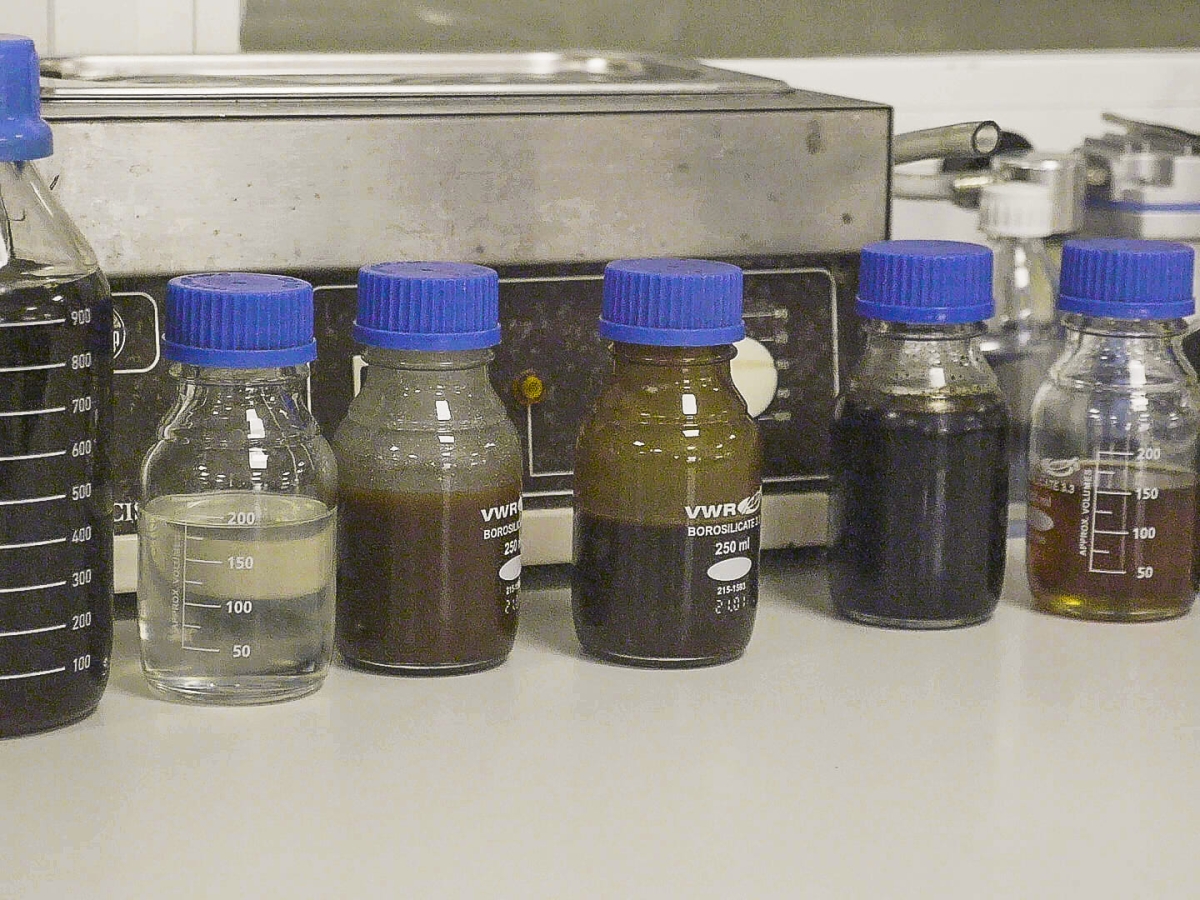
Raw materials of biodesel
BiOdiesel
Raw materials that can be used
The feedstocks that can be used are all those that have a fat content (glycerides and/or free fatty acids) as a basis for conversion into methyl esters (biodiesel). The different raw materials available include vegetable oils, fatty acids or oleins from vegetable oils, recycled used oils, animal fats and any waste or by-product with a fat content suitable for conversion into biodiesel. The following is a brief overview of the list of raw materials catalogued according to origin:
Vegetable Oils
The main vegetable oils that can be considered are: Soybean, Rapeseed, Sunflower or Palm, without excluding or limiting others that may be used.
Animal fats
The main animal fats can be: beef tallow, pork, poultry, and their blends.
Recycled Used Oils
Within this type of material, different origins of used vegetable oils (olive, sunflower, palm, soya, etc..., and their mixtures) of national or international origin can be included. It is generally known as Used Cooking Oil (UCO: used cooking oil), and is currently in great demand (hence its limited availability on the market).
Fatty Acids and Oleins
These raw materials are obtained as a result of the refining of vegetable oils and animal fats. In general, vegetable oils and animal fats have a certain level of acidity and are usually refined to eliminate it. When the acidity removal process is carried out by physical methods (distillation), fatty acids are generated and when it is carried out by chemical methods (saponification), oleins are obtained.
Other advanced raw materials
Within this type of material, different origins of fatty materials can be included, which usually come from the recovery of fatty waste from oil industries, as is the case of POME (oil extracted from wastewater effluents from the palm oil industry). This type of material is classified by regulations, and not any fatty material with a similar origin can be considered as such.