
Objective View at Biodesel
BiOdiesel
Know the advantages of Biodiesel
Biodiesel is an alternative that has gained special attention in the global market, although it has often been questioned and is still subject to overcome several problems and many prejudices. It is very important and necessary to know the advantages of biodiesel and its shortcomings in order to try to correct them. This challenge should motivate us to work more intensively, looking for spaces, inputs and procedures that make this alternative more technically, socially and economically viable.
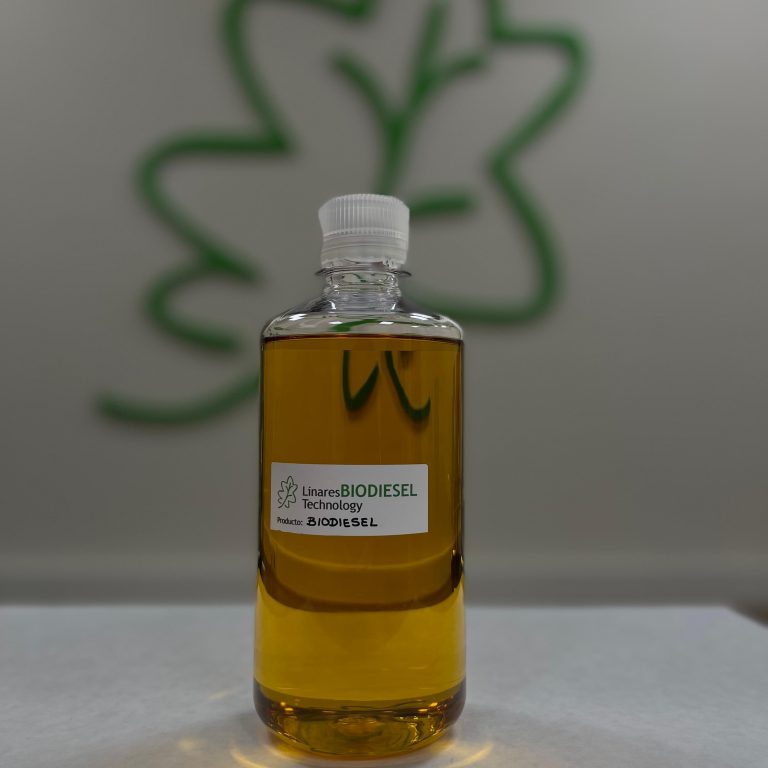
Adavantages
Many countries around the world currently support the use of biofuels with the aim of reducing greenhouse gas emissions, boosting decarbonization of transport fuels, diversifying sources of transport fuel supply, developing long-term alternatives to oil, utilizing idle land and reforesting topsoil. Increased biofuel production is also expected to offer new opportunities to diversify income and employment in rural or low-income areas. In this sense, biodiesel can be summarized as follows:
- It generates economic and energy independence.
- It is biodegradable and non-toxic.
- Low emissions of carbon monoxide, particulate matter and unburned hydrocarbons.
- Their combustion has a low impact on the greenhouse effect.
- Its production generates jobs in the agricultural sector.
- Increased engine life and lubricity.
Disadvantages
Some technical drawbacks of biodiesel relate to its high viscosity, lower calorific value and slight increase in NOx emissions; however, its biggest problem is the high cost and availability of the feedstock.